
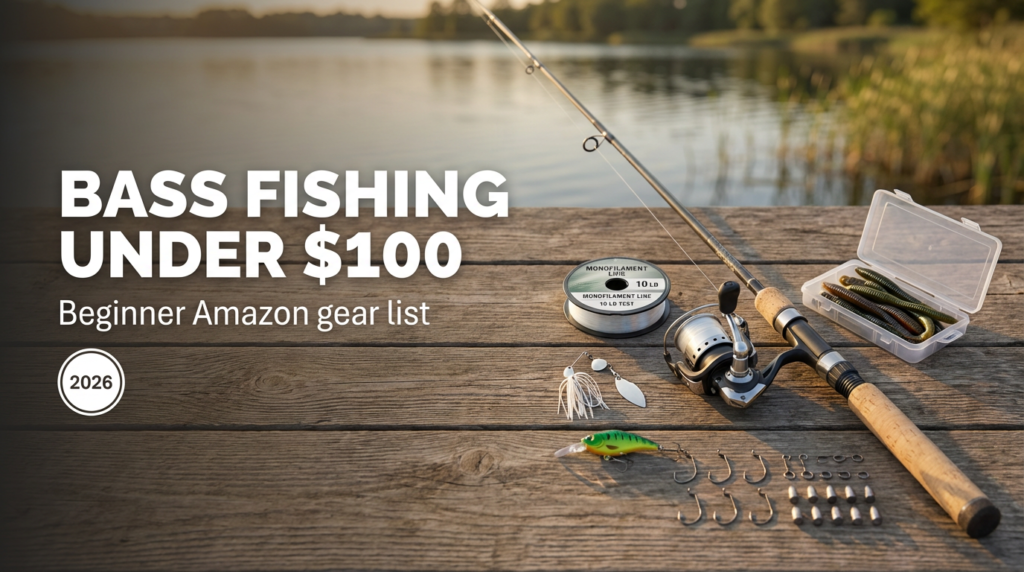
Understanding Bass Fishing Basics
Bass fishing is a popular and rewarding outdoor activity that can be enjoyed by individuals of all skill levels. The two primary species of bass that anglers target are the largemouth bass (Micropterus salmoides) and the smallmouth bass (Micropterus dolomieu). Both species have distinct characteristics and preferences, making understanding their differences essential for a successful fishing experience. Largemouth bass are typically larger and are often found in warmer, shallower waters with ample vegetation. They are known for their aggressive nature and will readily strike at various lures and baits. On the other hand, smallmouth bass tend to inhabit cooler, deeper waters, usually near rocky structures, and are often more selective when feeding.
The habitat of bass is crucial for determining the best fishing locations. Largemouth bass thrive in weedy areas, lakes, and ponds, while smallmouth bass are commonly found in rivers, streams, or rocky lakesides. Therefore, it is important for anglers to familiarize themselves with the bodies of water they plan to fish, as well as the specific habitats that each bass species prefers.
Timing is also a key factor when bass fishing. The best times to target bass are typically early in the morning or late in the evening when they are most active. Seasonal changes can greatly impact fishing success; for instance, spring is often a prime time for spawning, while summer may require deeper fishing strategies as bass retreat to cooler waters during the heat of the day.
Successful bass anglers utilize various techniques and strategies, including using different types of baits, such as worms, crankbaits, or topwater lures. Additionally, techniques like flipping, pitching, or trolling can effectively attract bass. By understanding the fundamentals of bass fishing, newcomers can better equip themselves with the knowledge and skills necessary to enjoy this engaging sport.
Essential Fishing Gear Under $100
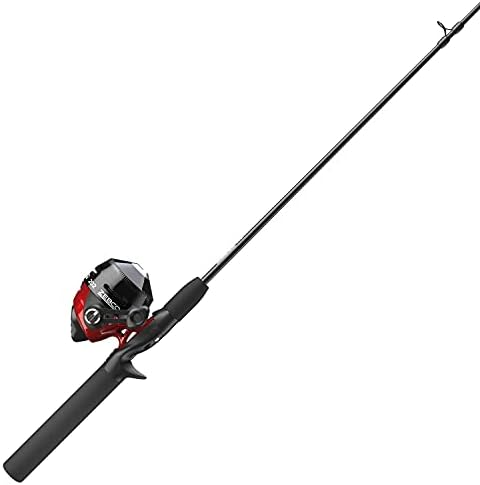
For those eager to embark on the rewarding journey of bass fishing without breaking the bank, there are numerous options available on Amazon that offer quality gear under $100. Starting with fishing rods, a crucial component is the right selection. For beginners, a medium-action spinning rod is an excellent choice as it is versatile and easy to handle. Look for brands such as Ugly Stik or Shimano, which frequently feature well-made rods suitable for various fishing conditions and types.
Next, pairing the rod with a reliable spinning reel is essential. A reel should be smooth, durable, and easy to operate. The KastKing Summer Spinning Reel offers a great balance of affordability and performance, providing beginners with the necessary features while remaining budget-friendly. Ensure the reel is paired with the correct line type, typically 10-20 lbs test monofilament for bass fishing, as this gives the sensitivity needed to feel the bites.
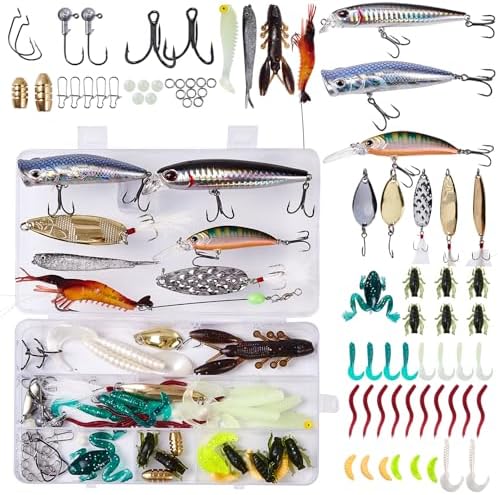
Another vital aspect is fishing line. Monofilament lines are generally recommended for beginners due to their user-friendly nature. Options like the Berkley Trilene line give a strong performance and versatility when fishing in different environments. As for lures, having a variety of options can significantly increase your chances of success. Consider purchasing soft plastic worms, crankbaits, or spinnerbaits, which are all effective choices for bass fishing. Look for budget-friendly kits that encompass multiple lures to provide a comprehensive selection.
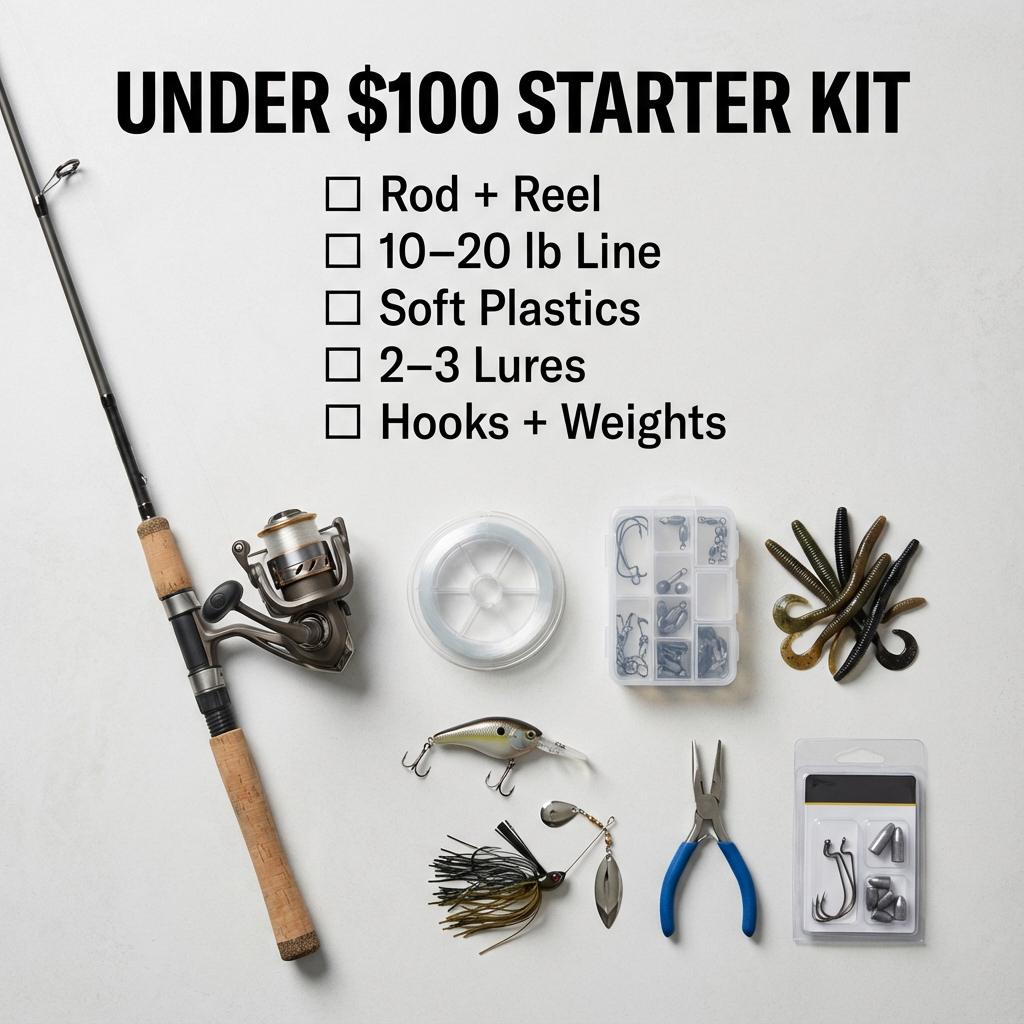


When choosing gear, prioritize quality and functionality over brand names, keeping in mind that you do not need to invest heavily to get started. By selecting these essential items carefully, beginners can set themselves up for a successful start to bass fishing while remaining within a modest budget.
Setting Up Your Fishing Tackle and Techniques
Setting up your fishing tackle is a fundamental step for beginners interested in bass fishing. First, you will need to assemble your fishing rod and reel. Start by taking the reel and attaching it to the rod by sliding it into the reel seat. Ensure that the reel is securely fastened, and check the drag adjustment to set how easily the line will come off the reel when a fish bites.
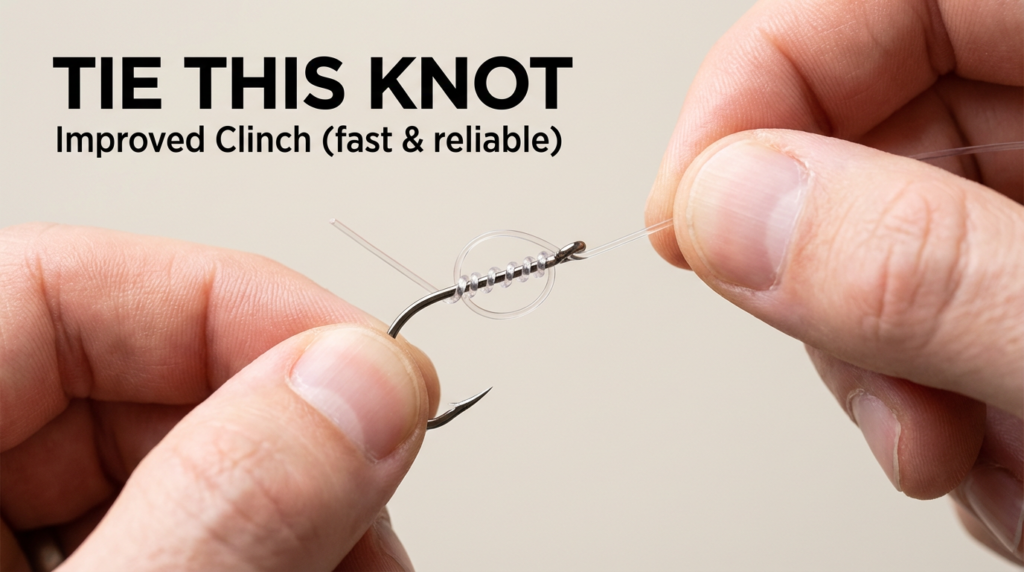
Next, focus on tying your fishing line to the lure or hook. A common knot for this purpose is the improved clinch knot. To tie this knot, thread your line through the eye of the hook, then wrap it around the standing line five to seven times. Pass the end of the line through the loop near the eye of the hook and tighten it securely. This knot is reliable for holding your catch until you can reel it in.
When it comes to lure attachment, choose a lure that is suitable for the fishing conditions. Soft plastics, crankbaits, or spinnerbaits are great options for bass fishing. Simply attach your chosen lure to the end of the line using the same knot you used for the hook.
Now that your tackle is set up, it’s time to explore various fishing techniques. Casting involves using an overhead motion to deliver your lure to a desired location on the water’s surface. Once the lure is in the water, a technique called retrieving can be employed, where you reel in the line steadily to mimic the movement of prey. Additionally, finding productive fishing spots such as shaded areas under trees, rocky structures, or weed beds can significantly enhance your chances of success.


Tips for a Successful Bass Fishing Experience
Embarking on a bass fishing journey as a beginner can be both exciting and challenging. To enhance your fishing experience, several practical tips can be instrumental. First and foremost, safety should be your priority. Always wear a life jacket if fishing from a boat, and ensure that someone knows your plans and location. This precaution will provide peace of mind and enhance your overall safety.
Weather conditions greatly influence bass behavior. Early morning or late evening are often the best times to catch bass, particularly in warmer months when fish are more active in cooler waters. Keep an eye on the weather forecast, as sudden changes can affect fishing success. Avoid fishing during stormy weather and ensure you’re equipped for the elements, whether it be sunscreen for UV protection or rain gear during overcast conditions.
Maintaining a fishing log is another valuable strategy for bass fishing enthusiasts. By documenting your catches, including location, bait used, and weather conditions, you can identify patterns over time, enhancing future fishing expeditions. This record-keeping not only helps improve your technique but also deepens your understanding of the species you are pursuing.
Moreover, patience is a virtue in bass fishing. It is common for beginners to feel frustrated when bites are few and far between. Understanding that bass fishing requires skill development and time will foster a more enjoyable experience. Additionally, familiarize yourself with local regulations regarding bass fishing; these guidelines are crucial for promoting sustainable practices. Adhering to these rules ensures the conservation of bass populations and the health of aquatic ecosystems. By following these tips, beginners can significantly enhance their bass fishing experiences, leading to greater enjoyment and success on the water.